Blogs

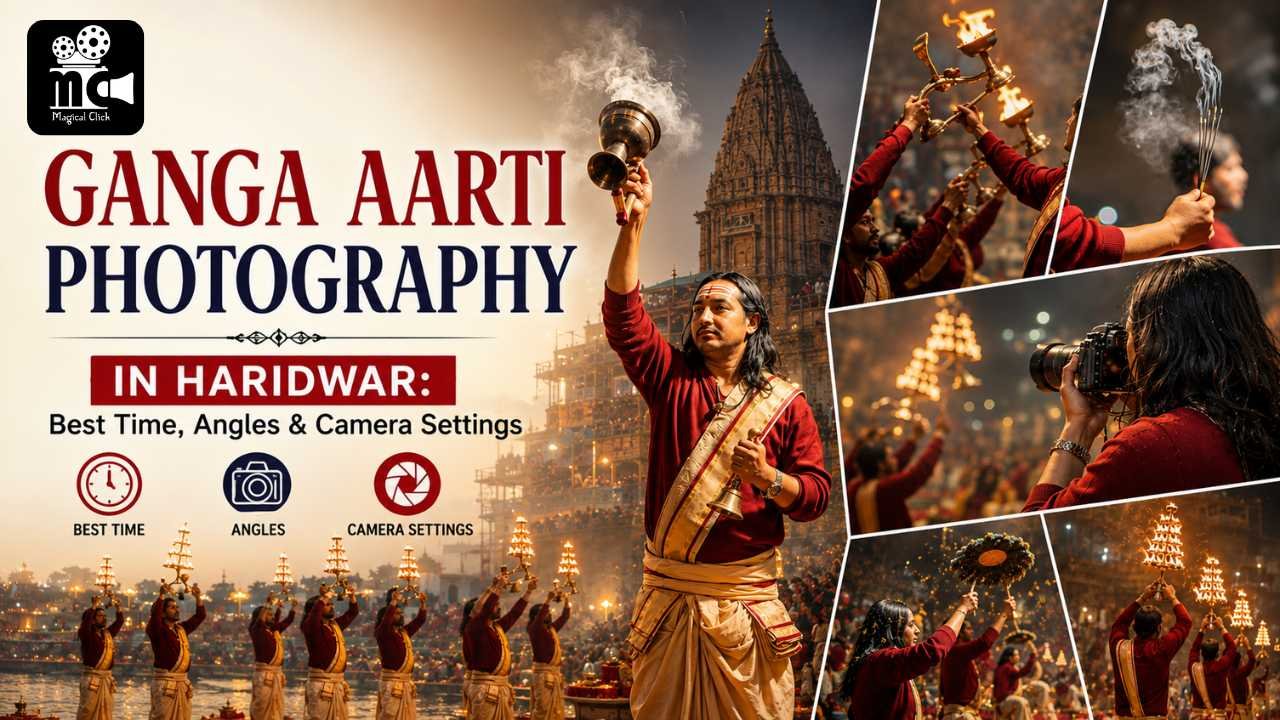
Ganga Aarti Photography in Haridwar: Best Time, Angles & Camera Settings

Ganga Aarti Photography in Haridwar and best Time, Angles & Camera Settings

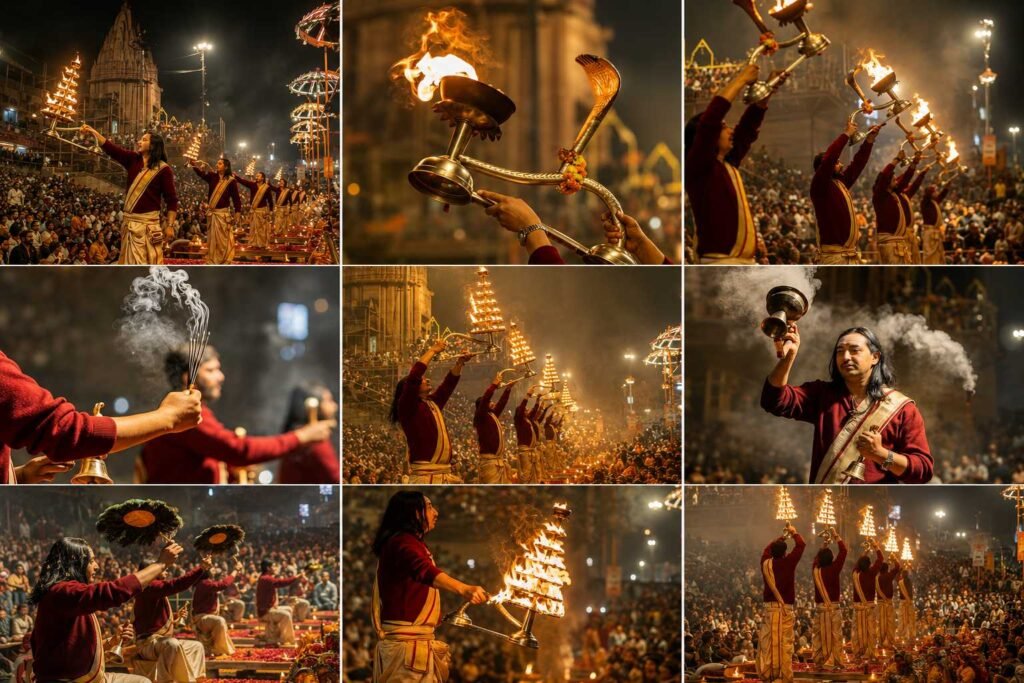
If you have ever stood at Har Ki Pauri when the evening bells start ringing and hundreds of diyas float on the Ganga, you already know why so many people want to capture that moment. Ganga Aarti photography in Haridwar is not just about clicking a picture. It’s about freezing a feeling — the fire, the chanting, the reflections on the water, and the faces of people lost in prayer.

Why Is Ganga Aarti Photography in Haridwar So Popular?

The evening aarti in Haridwar is one of the most beautiful things to photograph in India. You have moving flames, flowing water, shiny brass lamps, and a big crowd — all changing every second. This is why so many travel photographers, wedding photographers, and even normal people with a phone want to take pictures here. Every photo turns out different, and that is what makes it special.

What Is the Best Time for Ganga Aarti Photography in Haridwar?

Timing is very important. The aarti at Har Ki Pauri usually starts around sunset. But the light just before and after the ceremony is what photographers wait for the most.

  • Blue hour (15–20 minutes after sunset): Many people say this is the best time. The sky turns deep blue while the lamps glow warm and bright. This mix looks amazing in photos.
  • Golden hour (just before sunset): If you reach early, you can capture the ghats in soft golden light before the crowd gets big.
  • Full darkness: Once the sky turns completely dark, the flames and lights become the main focus. This is great for close-up shots of flames and lamps, but harder for wide shots of the whole ghat.

Try to reach Har Ki Pauri at least 45 minutes before the aarti begins. This gives you time to find a good spot, check your camera settings, and photograph the crowd gathering — which often gives some of the best, most natural photos.

Does the Season Change How You Should Shoot the Aarti?

Yes, a lot.

  • In summer, evenings stay bright longer, so the blue hour comes a bit later.
  • In winter, fog can make everything look soft and dreamy, but there is less light, so you may need a higher ISO.
  • In monsoon (rainy season), the sky looks dramatic and the river is fuller, but you must protect your camera from rain and water spray.
  • On festival days, like Kanwar Mela, there are bigger crowds and more lamps in the water. It looks beautiful, but you need to reach even earlier to get a good spot.

What Are the Best Angles for Photographing Ganga Aarti?

This depends on what kind of photo story you want to tell.

  • Wide-angle shots from a bridge or high point: These show the full scene — the crowd, the ghats, and the river together.
  • Eye-level shots facing the river: Standing close to the water lets you capture the flames reflecting on the surface. This is one of the most popular kinds of shots.
  • Low-angle shots near the lamps: Getting close to the floating lamps and shooting slightly upward makes the flames look bigger and more powerful.
  • Close-up portraits: Priests performing the aarti, hands holding lamps, or a person’s face lit up by fire — these small details often show more emotion than a wide shot.

A good idea is to mix all these styles. Start with a wide shot to show the full scene, then move closer for detail shots as the ceremony reaches its peak.

We suggest reaching Har Ki Pauri at least 45 minutes before the aarti starts. This gives you enough time to find a good spot, check your camera settings, and photograph the crowd as it gathers — these early moments often make the most honest and story-filled photos.

The aarti timing changes a little through the year, depending on sunrise and sunset. So before you go, it’s a good idea to check the latest schedule on the official Uttarakhand Tourism website.

What Camera Settings Work Best for Ganga Aarti Photography?

Low light and moving people make this a tricky shoot, but a few simple changes can help a lot.

  • Shutter speed: For sharp shots of moving flames or hands, keep it around 1/125s or faster. If you want a soft, glowing blur on the fire, slow it down to 1/15s or less — but keep your camera very still.
  • Aperture: A wide aperture (f/1.8 to f/4) lets in more light and creates a soft, blurry background. This makes the flames and faces stand out.
  • ISO: Don’t be afraid to raise your ISO to 800–3200, depending on your camera. Most cameras today handle this well. A slightly grainy but sharp photo is better than a blurry one.
  • White balance: Set it manually instead of using auto. Auto white balance can remove the warm golden glow of the lamps, which is the exact mood you want to keep.
  • Focus mode: Use continuous autofocus (AF-C), since the crowd and flames keep moving.

If you are shooting without a tripod, image stabilization (in your lens or camera) will help a lot in this low light.

Can You Get Good Ganga Aarti Photos With Just a Phone?

Yes, easily. Most phones today have a night mode and a pro mode, and both work well here.

  • Use night mode for wide shots of the whole ghat.
  • Use pro mode with manual settings for close-up shots of the flames, since it gives you more control.

Try to keep your phone as steady as possible. Resting your elbows on a railing, or using a small tripod, makes a big difference in how sharp your photos come out.

What Should You Keep in Mind While Shooting at Har Ki Pauri?

The ghat fills up quickly, especially on weekends and during festivals. Remember, this is first and foremost a sacred ceremony — not just a chance for a good photo — so treat it and the people around you with respect. Hold on to your equipment carefully, stay careful with your footing near the water’s edge, and check whether tripods are allowed in certain spots during busy times. For the latest visitor rules and safety information, it’s worth checking the District Haridwar tourism page before you go. Patience really pays off here — the strongest photos usually come to those who wait calmly for the right instant, rather than rushing to catch every possible angle.

Thinking about a larger shoot somewhere around Haridwar or across Uttarakhand? Take a look at our destination wedding photography page, where we talk about how we work with riverside and hill-station settings beyond just the aarti.

Final Thoughts

Ganga Aarti photography in Haridwar rewards patience, good timing, and a willingness to try different angles and settings. Whether you are using a professional camera or just your phone, the goal stays the same — capture the feeling of that moment when hundreds of flames meet the flowing Ganga. Reach early, watch how the light changes, and let the ceremony guide your photos.

If you would like a professional photographer to capture your own Ganga Aarti experience in Haridwar — for travel memories, a special occasion, or simply because you don’t want to handle the shoot yourself — Magical Click is happy to help you preserve that moment the right way.

FAQ

1. What is the best time to photograph Ganga Aarti in Haridwar?

The best time is blue hour, which is about 15–20 minutes after sunset. The sky turns deep blue while the lamps and lights glow warm, which looks great in photos.

Try to reach at least 45 minutes before the aarti starts. This gives you time to find a good spot and set up your camera before the crowd builds up.

Yes. Use night mode for wide shots of the ghat, and pro mode with manual settings for close-up shots of the flames.

Use a shutter speed of around 1/125s or faster for sharp shots, a wide aperture (f/1.8–f/4), an ISO between 800–3200, and manual white balance to keep the warm glow of the lamps.

A mix works best: wide shots from a bridge or high point, eye-level shots facing the river for reflections, low-angle shots near the lamps, and close-up portraits of people praying.