
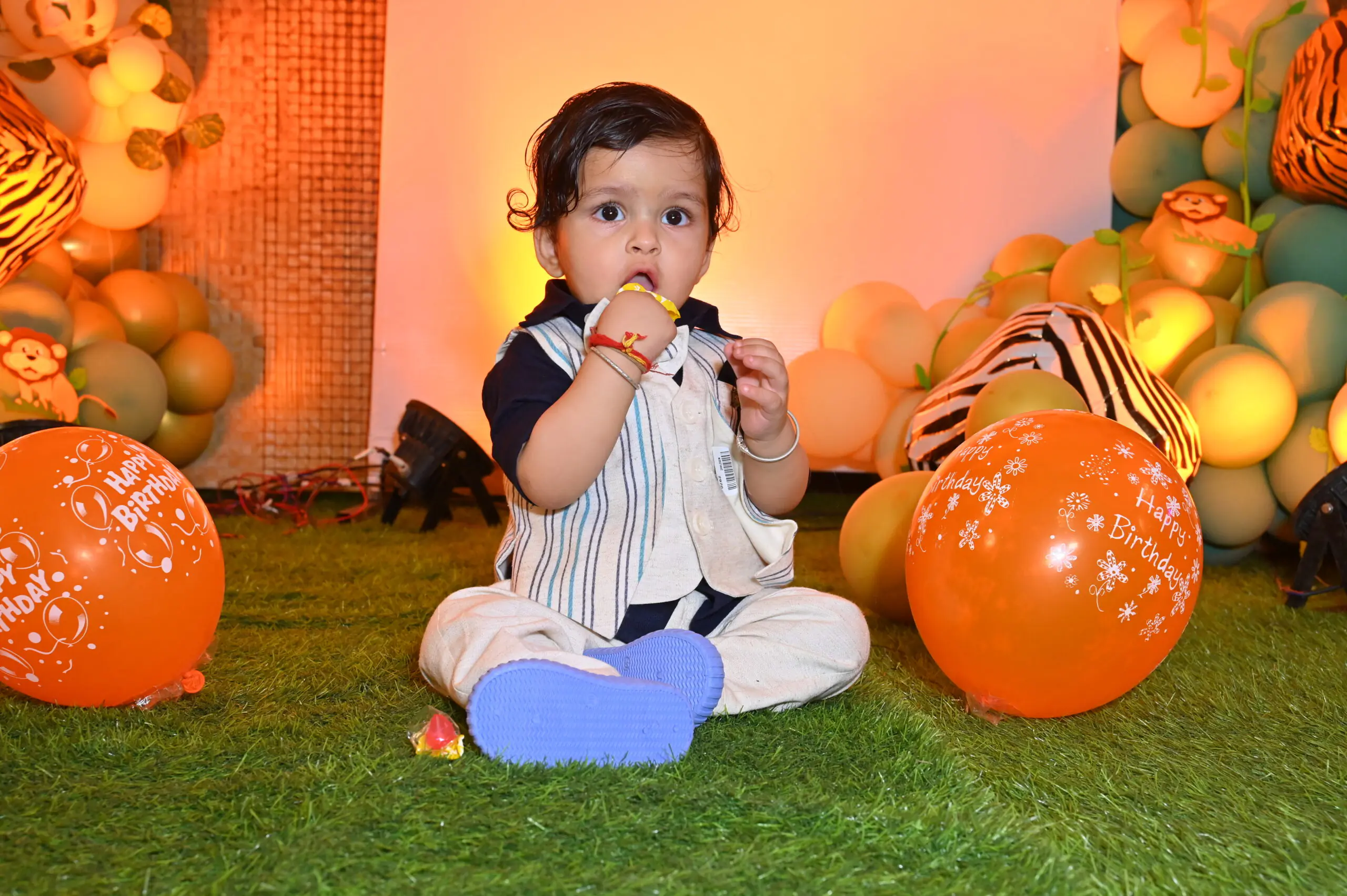
The first weeks with a newborn go by in a blur of feeds, naps and tiny, perfect details: the curl of a fist, the creases on a foot, the way they startle in their sleep. Parents often want those days photographed before they disappear. That instinct is lovely. It also comes with one simple rule that should guide every newborn shoot: the baby comes first, the photo comes second.
This guide is for parents planning a newborn photoshoot. It is not medical advice, and it doesn’t replace your paediatrician. But it brings together what the World Health Organization and the US National Institutes of Health say about keeping young babies warm, clean and safely positioned, so you know what to ask before the day.
Sources: the WHO, “Newborn health” fact sheet and NIH Safe to Sleep, “Ways to reduce baby’s risk”, both accessed 12 November 2026. If your baby was premature or has any health concerns, speak to your doctor before planning a shoot.
1. Warmth, without overheating
WHO lists thermal protection, keeping the baby warm, as part of the essential care every newborn should receive (WHO, “Newborn health” fact sheet). For a photoshoot, that usually means a warm room, because babies are often lightly dressed or wrapped for photos.
Warm should not become hot, though. NIH’s Safe to Sleep guidance lists signs that a baby may be too warm: sweating, flushed or red skin, or a chest that feels hot to the touch (NIH Safe to Sleep, “Ways to reduce baby’s risk”). If you notice any of these, remove a layer, cool the room a little and take a break.
2. Clean hands, clean props
WHO highlights hygiene, especially hand-washing, as extra care for small and vulnerable newborns (WHO, “Newborn health” fact sheet). On a shoot day, that is easy to put into practice:
- Everyone who touches the baby, including the photographer and assistants, washes or sanitises their hands first.
- Wraps, blankets and props should be freshly cleaned.
- Anyone with a cold or a cough should stay out of the room.
3. Positioning and props: what the safety guidance says
Many classic newborn photos use baskets, bowls, beanbags and soft wraps. It helps to know what NIH’s Safe to Sleep guidance says about how babies should sleep (NIH Safe to Sleep, “Ways to reduce baby’s risk”):
- Babies should be placed on their backs to sleep.
- The sleep surface should be firm, flat and level, covered only with a fitted sheet.
- Soft surfaces such as couches, pillow-top mattresses, quilts, thick blankets and sheepskins are not safe for babies to sleep on.
- Sitting devices such as car seats and strollers should not be used for sleep, because a young baby’s head can slump forward and block the airway.
A photoshoot is not a nap time, but newborns often fall asleep during one, and many poses use exactly the kind of soft or curved props that guidance warns against for sleep. So the practical rule is simple: a prop is for a moment, not for a nap. An adult stays within arm’s reach, the baby is supported at all times, and they come off the prop as soon as the picture is taken.
What we could not confirm from an official source: some popular newborn poses, such as the baby resting their chin on their hands, are usually created by photographers as composites, with a parent’s hand supporting the baby in each frame and the images combined later. We did not find official guidance on these poses, so ask any photographer exactly how they create them.
4. Let the baby set the pace
- Plan for feeds, nappy changes and cuddles in between. A newborn shoot is never quick.
- Never force a pose. If your baby resists or seems uncomfortable, that photo is not worth it.
- As a parent, you can stop or pause the shoot at any time.
Questions to ask before you book
- How do you keep the room warm, and how do you check the baby isn’t overheating?
- How do you clean your props and wraps between shoots?
- Who handles the baby, and will a parent always be within reach?
- Do you create any poses as composites? Can you show us how?
- What happens if our baby needs a long feed or just isn’t settling?
A good photographer will be glad you asked.
The photos you will treasure
In a few years, the photos that make you stop are rarely the most elaborate setups. They are the simple ones: a tiny hand around your finger, your baby asleep on your chest, the first family photo with everyone a little tired and completely in love. Those are also the safest to take.
If you are planning a shoot, see our newborn photoshoot page. Before the baby arrives, our maternity photography guide may help, and for older little ones there is our kids photoshoot page. You can also ask us anything.
Frequently asked questions
Is a newborn photoshoot safe?
It can be, when the baby’s comfort and safety come before any pose. WHO lists keeping newborns warm and hygienic skin care among the basics of newborn care (WHO, “Newborn health” fact sheet), and NIH’s Safe to Sleep guidance explains why soft surfaces and sitting devices are risky for sleeping babies (NIH Safe to Sleep, “Ways to reduce baby’s risk”). Choose a photographer who follows these basics and lets your baby set the pace.
What temperature should the room be?
Warm enough that a lightly dressed baby is comfortable, but never hot. NIH lists sweating, flushed or hot skin and a chest that feels hot to the touch as signs a baby may be too warm (NIH Safe to Sleep, “Ways to reduce baby’s risk”). If you see them, take a layer off and pause.
Can my newborn sleep on props, baskets or soft blankets during the shoot?
NIH’s Safe to Sleep guidance says babies should sleep on their backs on a firm, flat, level surface, and that soft surfaces, pillows and sitting devices are not safe places for babies to sleep (NIH Safe to Sleep, “Ways to reduce baby’s risk”). If a pose uses a prop, a parent or the photographer should stay within arm’s reach, and the baby should come off it as soon as the photo is taken.
Should we do the shoot at home or in a studio?
Either can work. At home your baby is in a familiar space and you control the temperature; in a studio the lighting and setups are ready. Whatever you choose, ask how the space will be kept warm and clean.
Our baby was born early. Should we wait?
Talk to your paediatrician first. WHO notes that small and preterm babies need extra attention to warmth and hygiene (WHO, “Newborn health” fact sheet). A shoot can always wait a few weeks; your baby’s health can’t.
Sources: WHO, “Newborn health” fact sheet; NIH Safe to Sleep, “Ways to reduce baby’s risk”. Both accessed 12 November 2026. This article is general information, not medical advice.