Maternity Photoshoot Guide: Best Week, What to Wear and Winter Tips
When to book a maternity photoshoot, what to wear, and how to plan a comfortable indoor or outdoor shoot in winter.

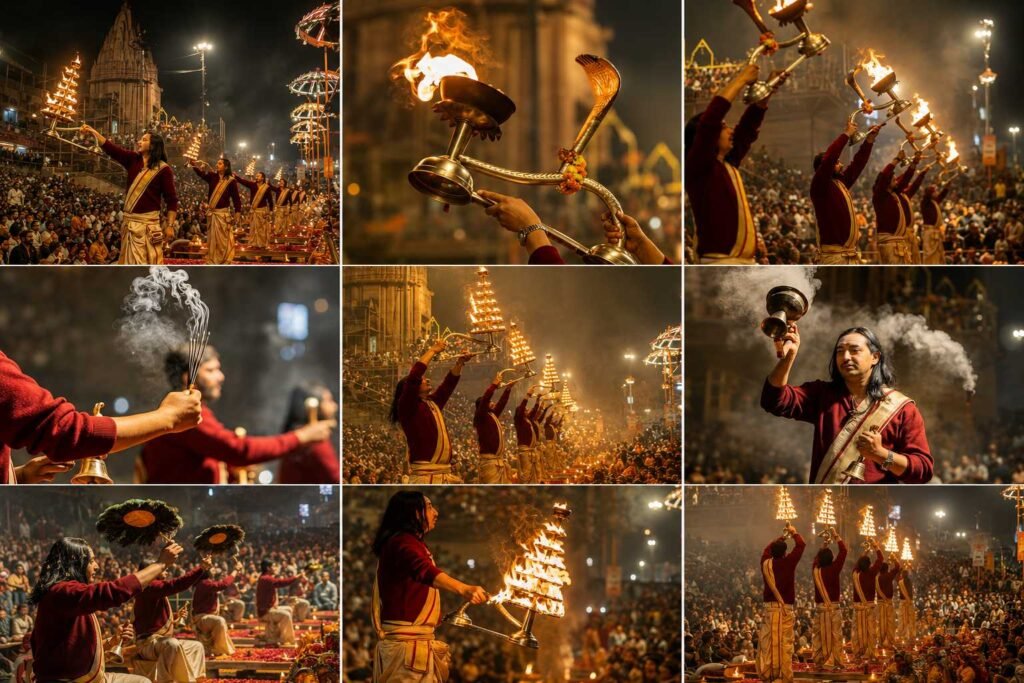
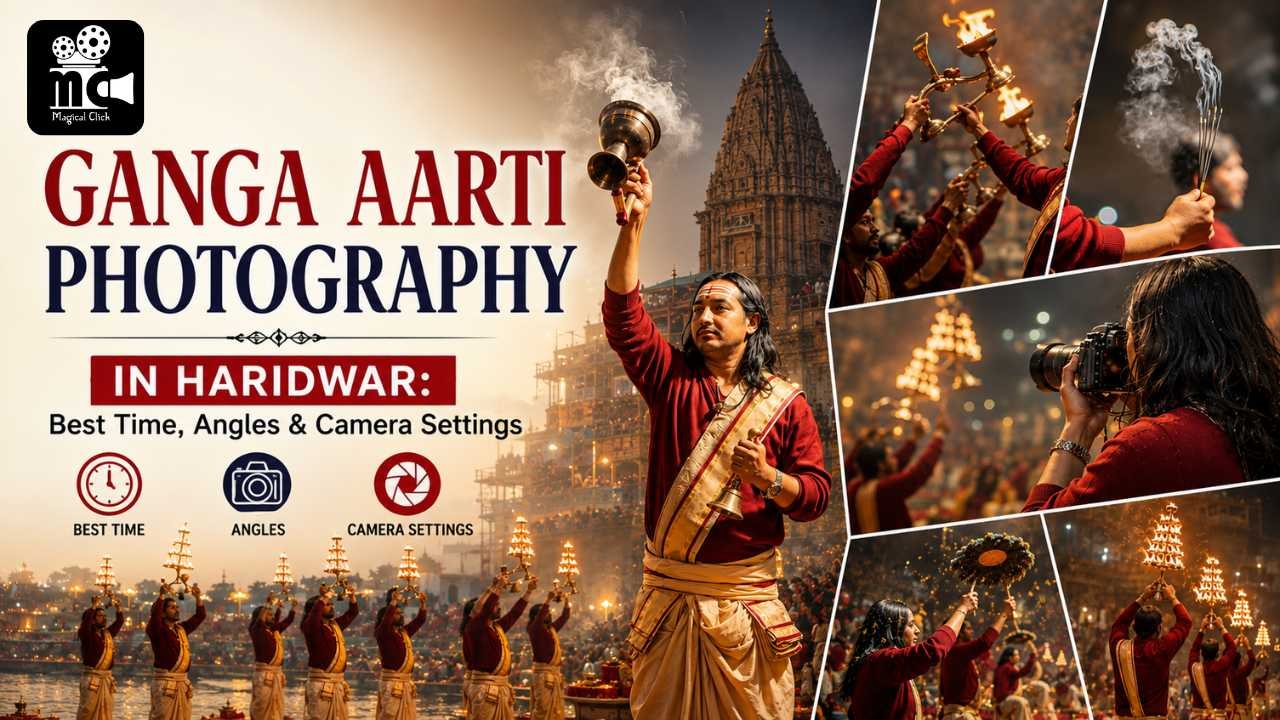
If you have ever stood at Har Ki Pauri when the evening bells start ringing and hundreds of diyas float on the Ganga, you already know why so many people want to capture that moment. Ganga Aarti photography in Haridwar is not just about clicking a picture. It’s about freezing a feeling — the fire, the chanting, the reflections on the water, and the faces of people lost in prayer.
The evening aarti in Haridwar is one of the most beautiful things to photograph in India. You have moving flames, flowing water, shiny brass lamps, and a big crowd — all changing every second. This is why so many travel photographers, wedding photographers, and even normal people with a phone want to take pictures here. Every photo turns out different, and that is what makes it special.
Timing is very important. The aarti at Har Ki Pauri usually starts around sunset. But the light just before and after the ceremony is what photographers wait for the most.
Try to reach Har Ki Pauri at least 45 minutes before the aarti begins. This gives you time to find a good spot, check your camera settings, and photograph the crowd gathering — which often gives some of the best, most natural photos.
Yes, a lot.
This depends on what kind of photo story you want to tell.
A good idea is to mix all these styles. Start with a wide shot to show the full scene, then move closer for detail shots as the ceremony reaches its peak.
We suggest reaching Har Ki Pauri at least 45 minutes before the aarti starts. This gives you enough time to find a good spot, check your camera settings, and photograph the crowd as it gathers — these early moments often make the most honest and story-filled photos.
The aarti timing changes a little through the year, depending on sunrise and sunset. So before you go, it’s a good idea to check the latest schedule on the official Uttarakhand Tourism website.
Low light and moving people make this a tricky shoot, but a few simple changes can help a lot.
If you are shooting without a tripod, image stabilization (in your lens or camera) will help a lot in this low light.
Yes, easily. Most phones today have a night mode and a pro mode, and both work well here.
Try to keep your phone as steady as possible. Resting your elbows on a railing, or using a small tripod, makes a big difference in how sharp your photos come out.
The ghat fills up quickly, especially on weekends and during festivals. Remember, this is first and foremost a sacred ceremony — not just a chance for a good photo — so treat it and the people around you with respect. Hold on to your equipment carefully, stay careful with your footing near the water’s edge, and check whether tripods are allowed in certain spots during busy times. For the latest visitor rules and safety information, it’s worth checking the District Haridwar tourism page before you go. Patience really pays off here — the strongest photos usually come to those who wait calmly for the right instant, rather than rushing to catch every possible angle.
Thinking about a larger shoot somewhere around Haridwar or across Uttarakhand? Take a look at our destination wedding photography page, where we talk about how we work with riverside and hill-station settings beyond just the aarti.
Ganga Aarti photography in Haridwar rewards patience, good timing, and a willingness to try different angles and settings. Whether you are using a professional camera or just your phone, the goal stays the same — capture the feeling of that moment when hundreds of flames meet the flowing Ganga. Reach early, watch how the light changes, and let the ceremony guide your photos.
If you would like a professional photographer to capture your own Ganga Aarti experience in Haridwar — for travel memories, a special occasion, or simply because you don’t want to handle the shoot yourself — Magical Click is happy to help you preserve that moment the right way.
The best time is blue hour, which is about 15–20 minutes after sunset. The sky turns deep blue while the lamps and lights glow warm, which looks great in photos.
Try to reach at least 45 minutes before the aarti starts. This gives you time to find a good spot and set up your camera before the crowd builds up.
Yes. Use night mode for wide shots of the ghat, and pro mode with manual settings for close-up shots of the flames.
Use a shutter speed of around 1/125s or faster for sharp shots, a wide aperture (f/1.8–f/4), an ISO between 800–3200, and manual white balance to keep the warm glow of the lamps.
A mix works best: wide shots from a bridge or high point, eye-level shots facing the river for reflections, low-angle shots near the lamps, and close-up portraits of people praying.

When to book a maternity photoshoot, what to wear, and how to plan a comfortable indoor or outdoor shoot in winter.

A practical Rishikesh pre-wedding plan for couples from Delhi: day plans, permissions, cost factors and leave-no-trace tips.

A practical pre-wedding shoot guide: when to shoot, how long it takes, what to wear, where you need permission, and what decides the cost.
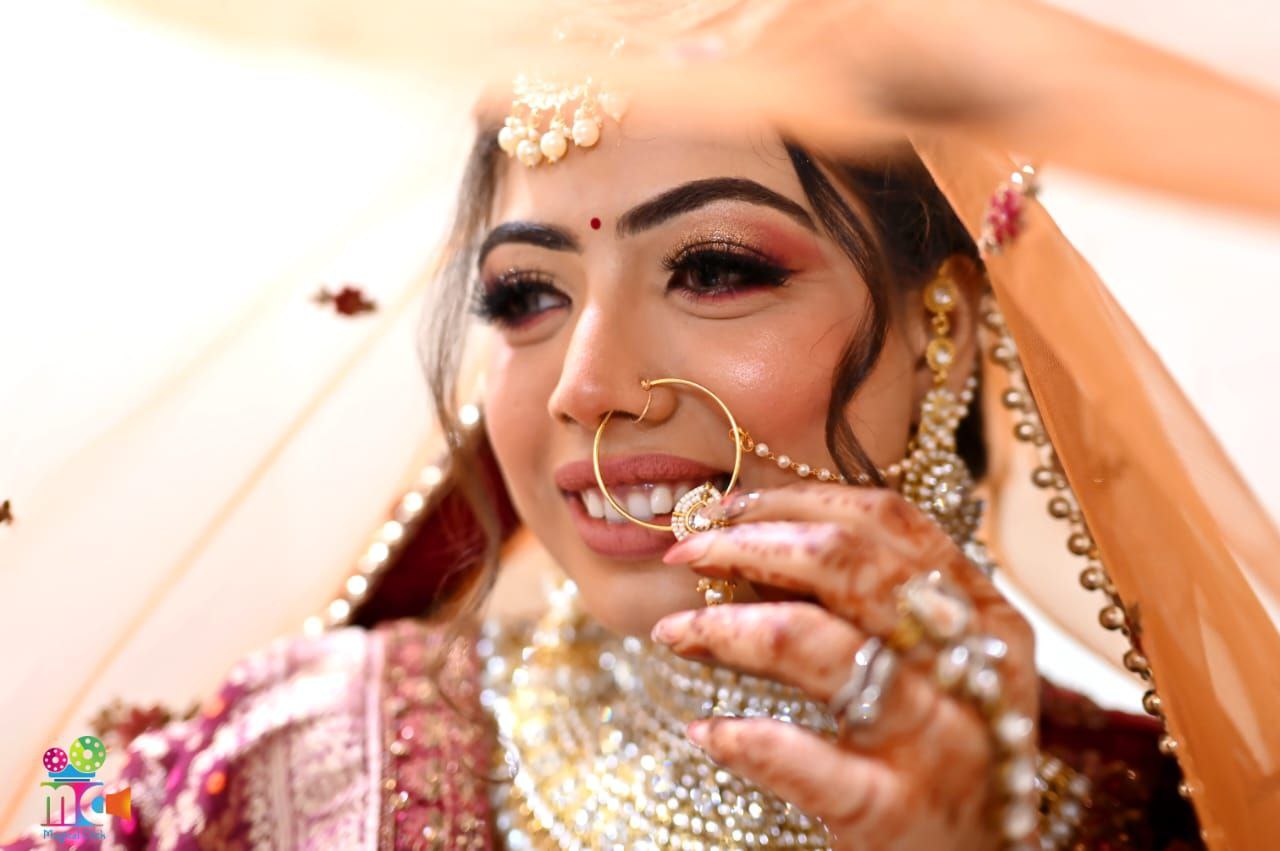
How to read and compare wedding photography quotes: the six parts of every package, single side vs both sides, common extras, copyright under Section 17(b), and a written-agreement checklist.
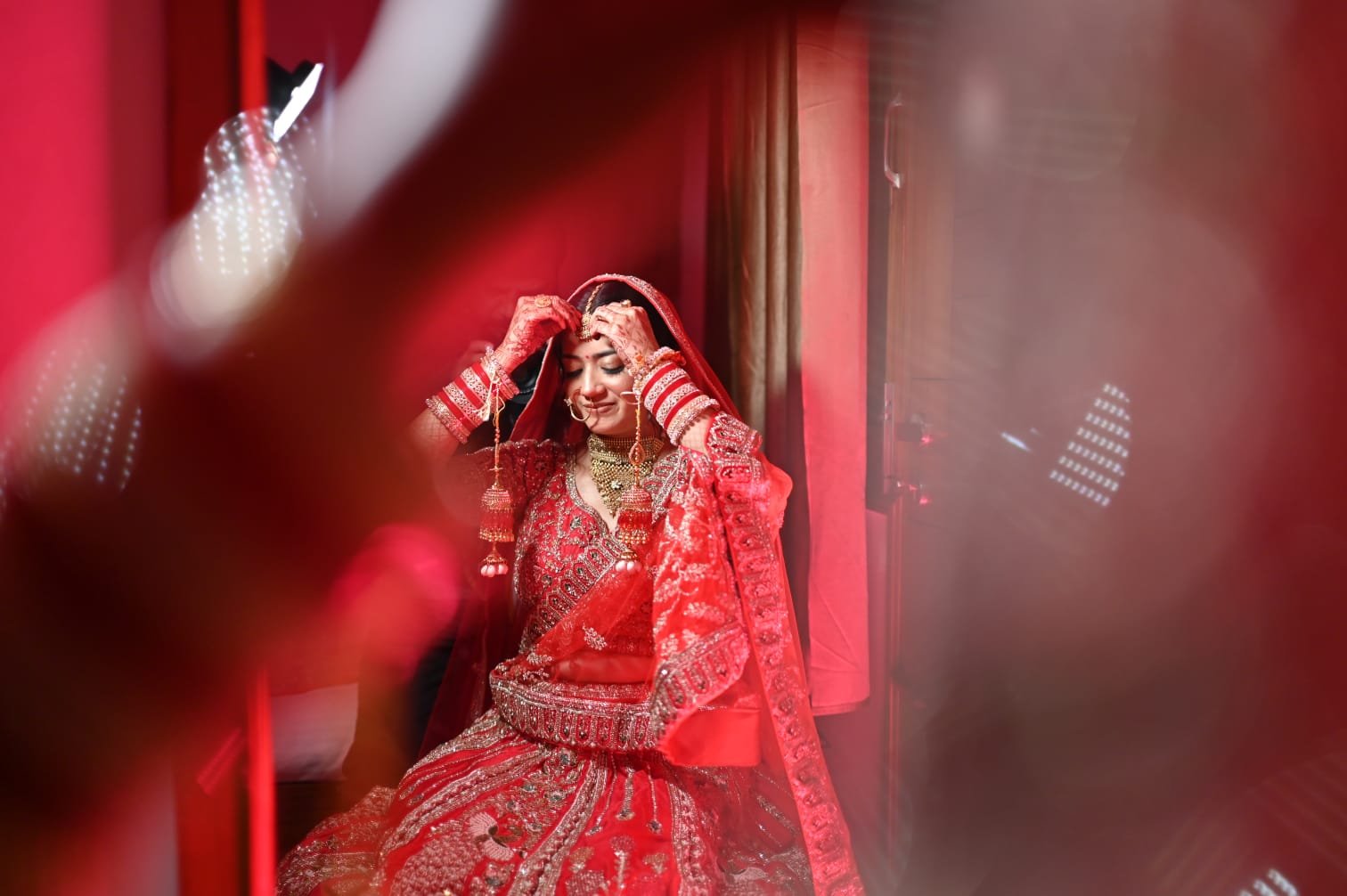
Traditional, candid and cinematic wedding photography explained: what each style gives you, what teaser, highlight and cinematic films mean, and how to mix them for each event of your wedding.
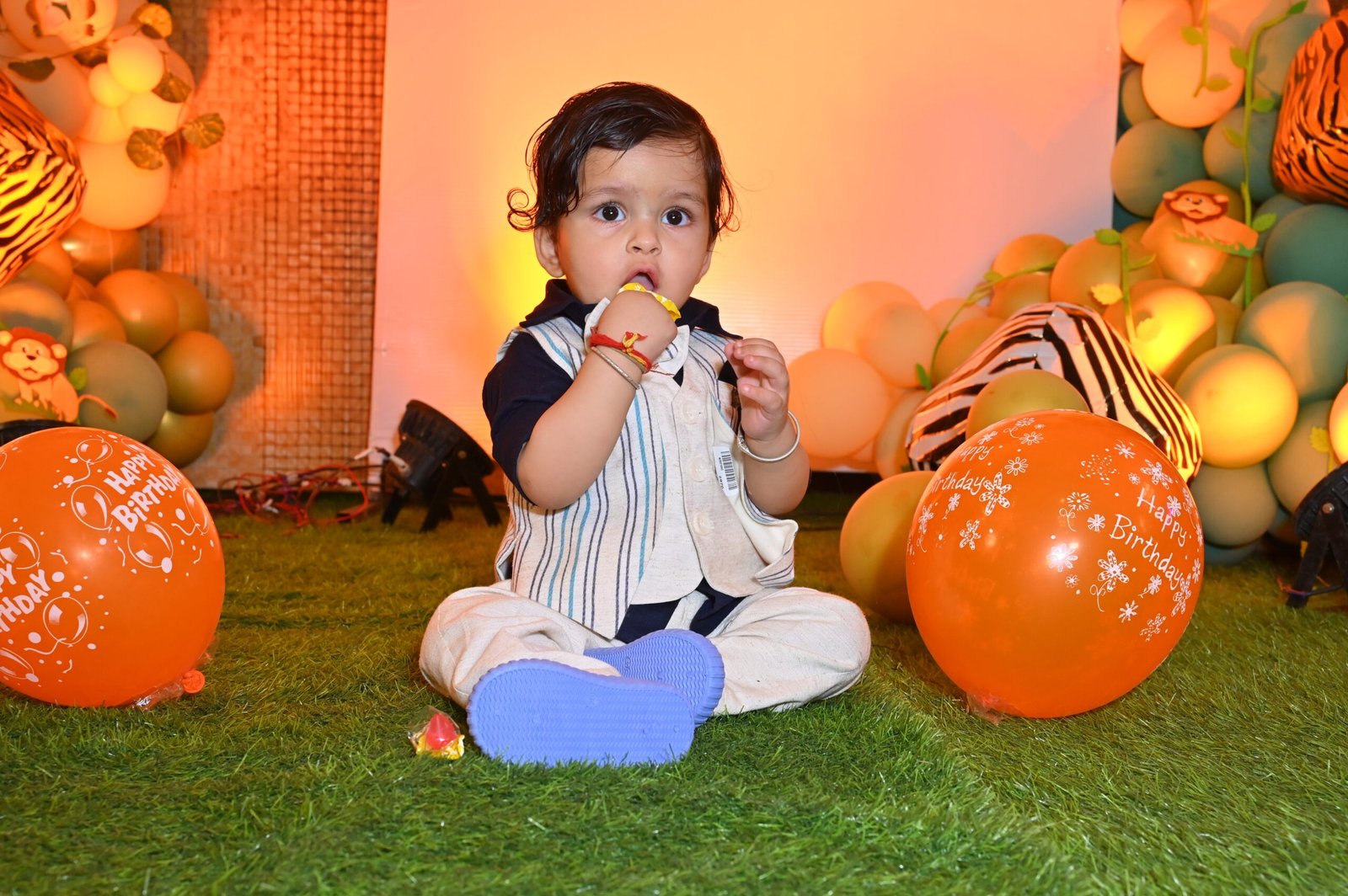
Planning a newborn photoshoot? What WHO and NIH guidance says about warmth, hygiene and safe positioning, plus the questions to ask before you book.